
Follow Me On Social Media!


Delicious Thai Coconut Custard Recipe – Creamy, Sweet, and Easy to Make at Home

Thai desserts are known for their gentle sweetness, fragrant aromas, and luxurious textures — and Thai Coconut Custard, also known as Sangkaya, is one of the most beloved examples. This traditional dessert is silky smooth, lightly sweet, and infused with rich coconut flavor that melts in your mouth with every spoonful.
Unlike Western custards that rely heavily on dairy, Thai coconut custard is made primarily with coconut milk and eggs, creating a naturally gluten-free dessert with a unique tropical character. It’s often steamed rather than baked, which gives it an exceptionally soft and creamy texture.
Served warm or chilled, on its own or paired with sticky rice, Thai coconut custard is comforting, elegant, and surprisingly easy to make at home. Whether you’re exploring Thai cuisine for the first time or recreating a favorite dessert from your travels, this recipe delivers authentic flavor with approachable steps.
In this complete guide, you’ll learn:
- What makes Thai coconut custard different from Western custards
- The role of coconut milk in texture and flavor
- How steaming creates its signature silkiness
- Traditional and modern serving ideas
- Tips for perfect consistency every time
- Storage and make-ahead advice
Let’s dive into this timeless Thai dessert.
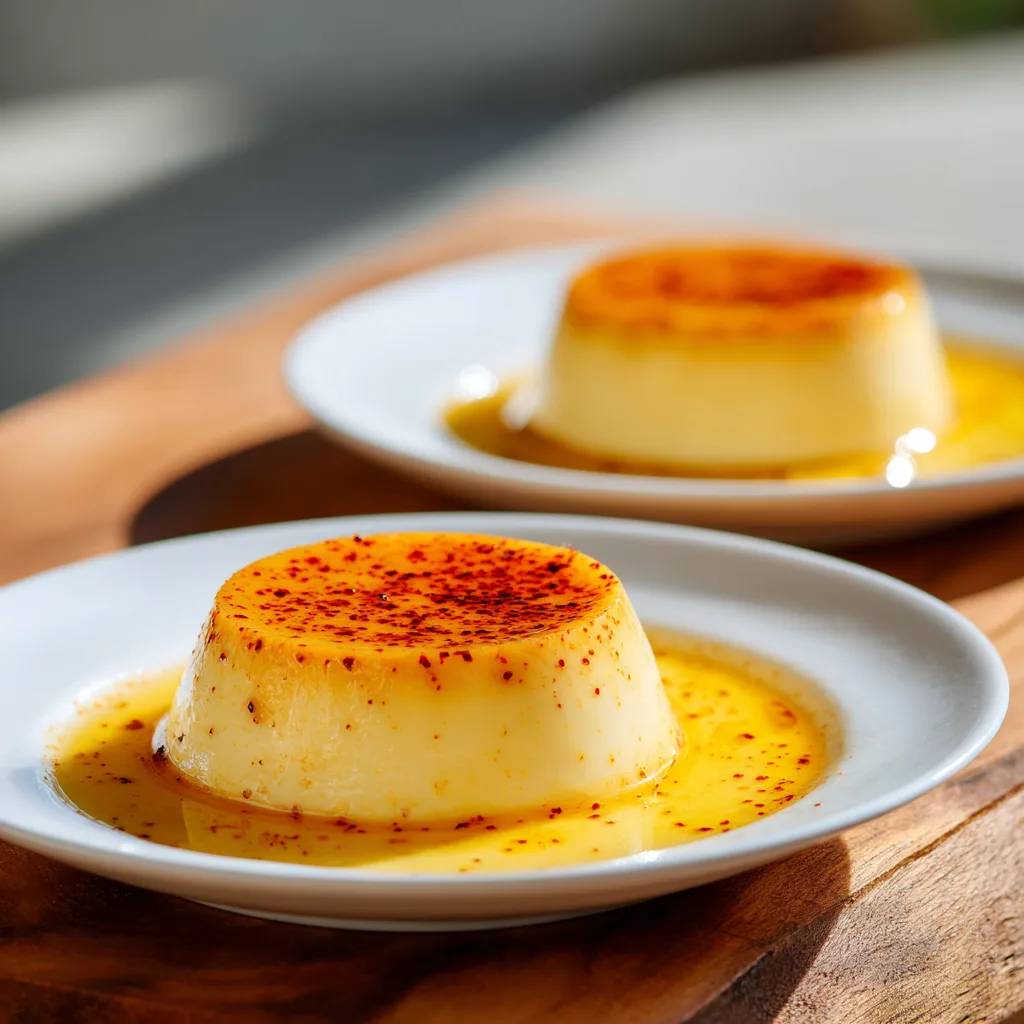
What Is Thai Coconut Custard (Sangkaya)?
Sangkaya is a traditional Thai custard made with eggs, coconut milk, palm sugar, and fragrant flavorings like pandan or vanilla. It’s gently steamed rather than baked, giving it a texture that’s softer and more delicate than flan or crème brûlée.
Key Characteristics
- Creamy, smooth texture
- Mild sweetness
- Strong coconut aroma
- Naturally gluten-free
- Steamed, not baked
In Thailand, coconut custard is often served alongside sticky rice, inside bread rolls, or as part of a dessert platter.
Ingredients
Thai Coconut Custard
- 1 cup full-fat coconut milk
- 4 large eggs
- ½ cup palm sugar or brown sugar
- ¼ teaspoon salt
- 1 teaspoon vanilla extract or pandan essence
- 2 kaffir lime leaves (optional, tied in a knot)
- Coconut cream (optional, for topping)

Instructions
- Crack eggs into a mixing bowl and whisk gently until just combined.
- Add coconut milk to the eggs and whisk slowly to avoid incorporating too much air.
- Stir in palm sugar and salt until fully dissolved.
- Add vanilla extract or pandan essence.
- Strain the custard mixture through a fine sieve into a heatproof dish.
- Add kaffir lime leaves if using.
- Cover dish loosely with foil.
- Place dish in a steamer over simmering water.
- Steam over low heat for 25–30 minutes until just set.
- Remove from steamer and cool slightly.
- Serve warm or chilled, plain or with sticky rice.
Why Steaming Creates the Best Texture
Steaming allows the custard to cook gently and evenly. Unlike baking, which can create bubbles or curdling, steaming keeps the heat moist and consistent.
Steaming Tips
- Keep water at a gentle simmer
- Avoid boiling
- Cover custard loosely to prevent water droplets
- Check doneness by gently shaking the dish
The custard should jiggle slightly in the center when done.
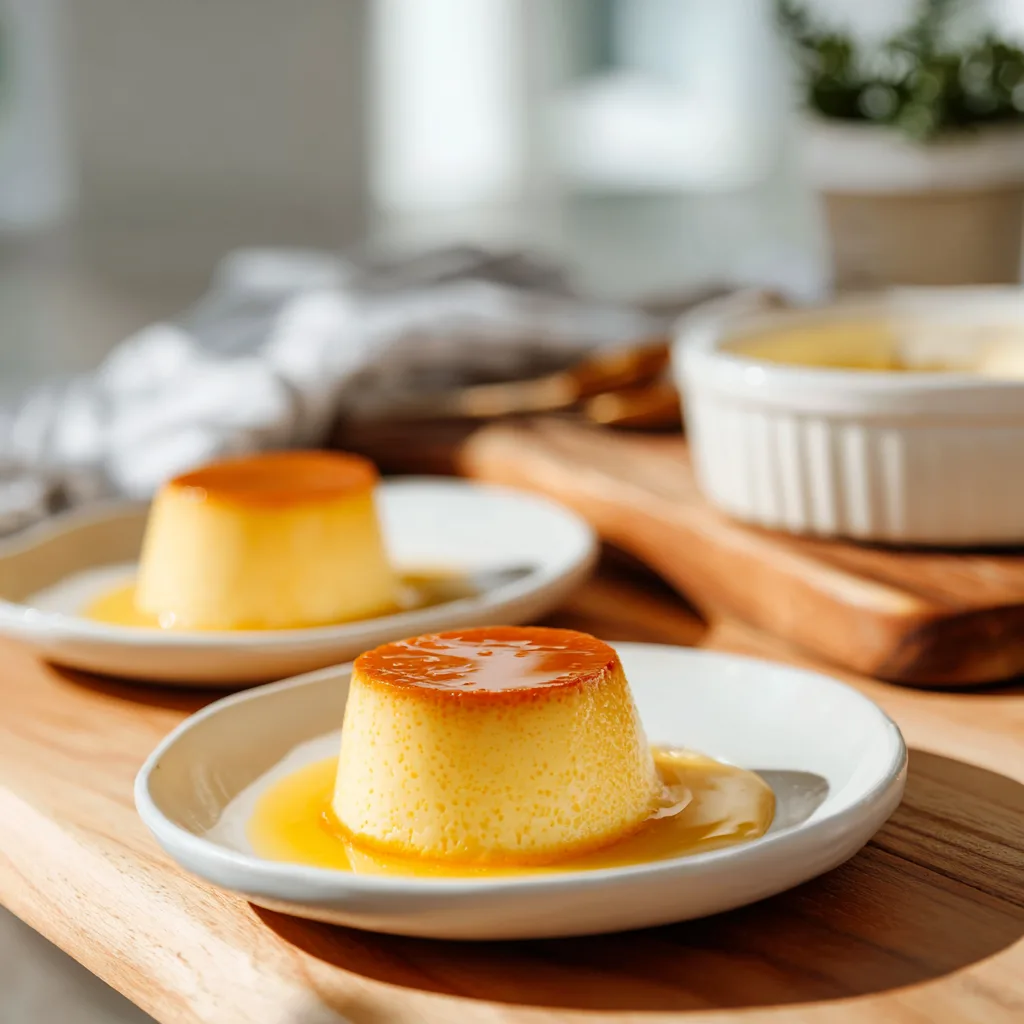
Traditional Serving Ideas
- With sweet sticky rice
- Spread on toasted bread
- Topped with coconut cream
- Served in small dessert cups
- Garnished with pandan leaf
Flavor Variations
Pandan Coconut Custard
Use pandan juice for authentic aroma.
Pumpkin Coconut Custard
Steam custard inside a hollowed pumpkin.
Chocolate Coconut Custard
Add cocoa powder for fusion twist.
Dairy-Free & Gluten-Free
Naturally free from both — no substitutions needed.
Storage and Make-Ahead Tips
- Refrigerate for up to 3 days
- Store covered to prevent absorbing fridge odors
- Serve chilled or gently warmed
- Do not freeze (texture will change)

Thai Coconut Custard
A traditional Thai dessert made with coconut milk and eggs, gently steamed for a smooth and creamy texture.
Ingredients
Equipment
Method
- Whisk eggs gently until combined.
- Add coconut milk, sugar, salt, and flavoring.
- Strain mixture into heatproof dish.
- Steam gently until custard is set.
Notes
Serve with sticky rice or enjoy chilled. Avoid over-steaming to prevent curdling.