Follow Me On Social Media!


Dehydrated Watermelon Jerky for Dogs – Healthy, Easy, and Homemade

A Naturally Sweet Treat Your Dog Will Love
Dogs love treats, and as pet parents we always want the healthiest options possible. Store-bought treats often contain preservatives, artificial flavors, and unnecessary fillers that may not be ideal for our pets. That’s why homemade treats have become incredibly popular among dog owners who want complete control over ingredients and nutrition.
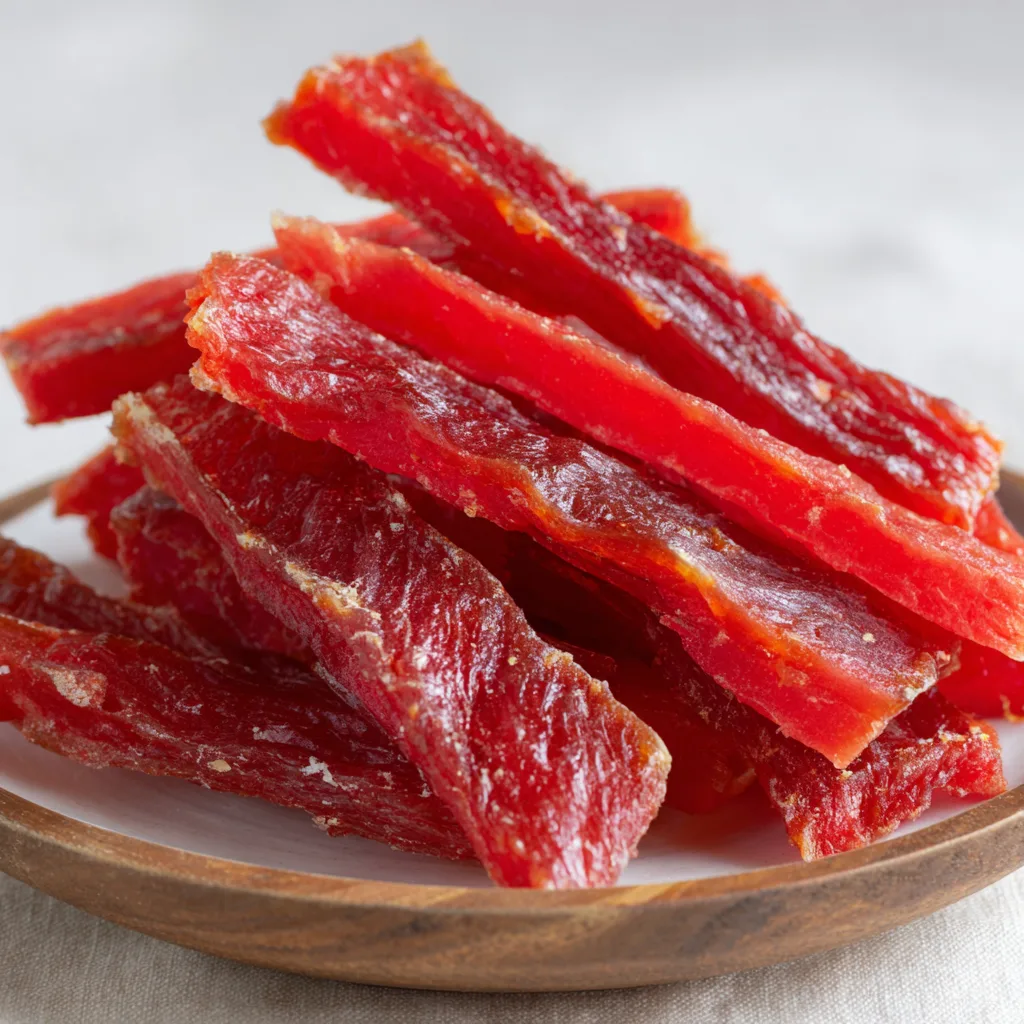
One of the easiest and most surprisingly delicious homemade dog treats you can make is Dehydrated Watermelon Jerky. This simple recipe turns fresh watermelon into chewy, naturally sweet jerky strips that dogs absolutely adore. With only one ingredient and minimal preparation, this recipe is a fantastic option for pet owners looking for a healthy snack for their furry companions.
Watermelon is naturally hydrating and contains vitamins that can benefit dogs when fed in moderation. When dehydrated, the fruit becomes chewy and slightly caramelized, creating a jerky-like texture that dogs enjoy chewing on. Unlike many commercial treats, this homemade version contains no added sugar, no preservatives, and no artificial ingredients.
Another great advantage is cost. Fresh watermelon is often inexpensive and widely available, making this a budget-friendly option for pet treats. A single watermelon can produce dozens of jerky strips that can last for weeks when stored properly.
In this guide, you’ll learn everything you need to know about making dehydrated watermelon jerky for dogs. We’ll cover preparation tips, dehydration methods, storage techniques, and safety tips to ensure your dog enjoys this snack safely.
But first, let’s look at the simple ingredients required.
Ingredients
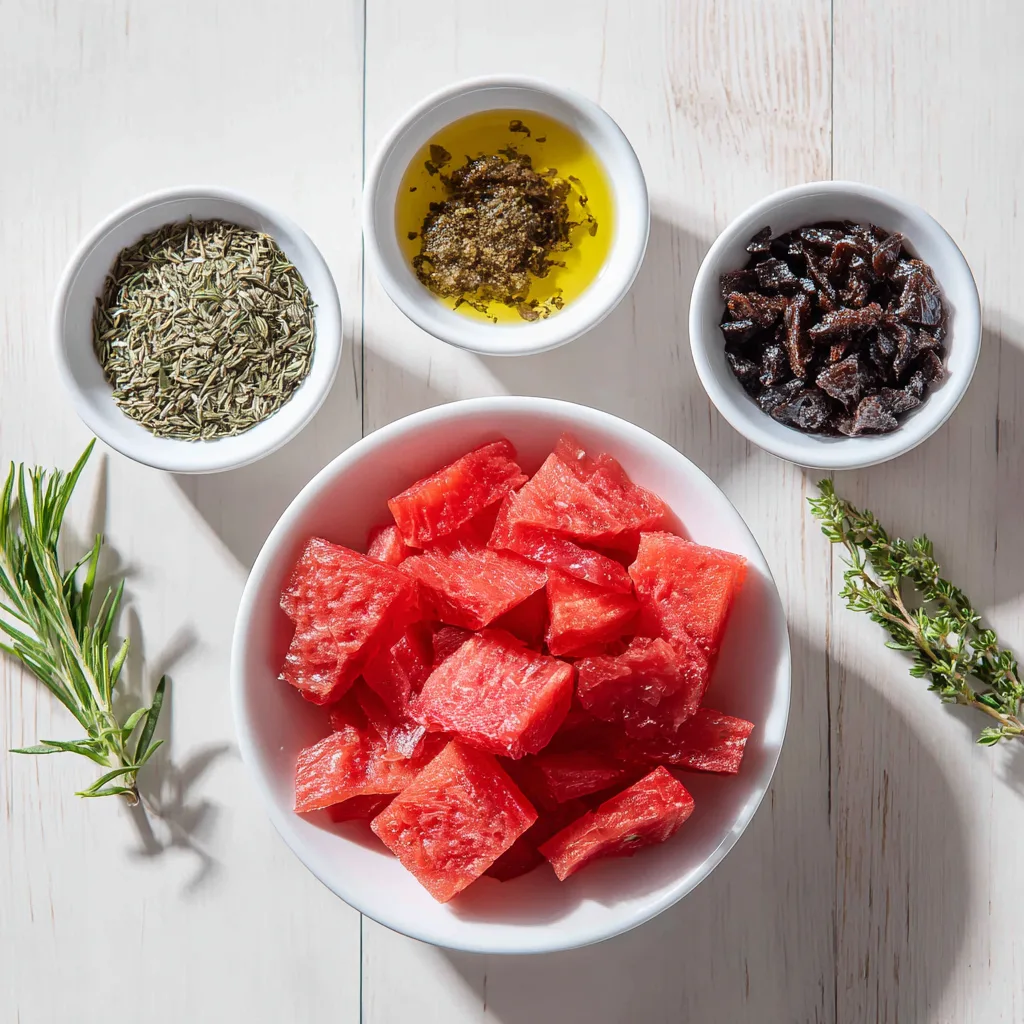
- 4 cups fresh watermelon (seedless preferred)
- Optional: a few blueberries or strawberries for variety (dog-safe fruits)
Instructions
- Prepare the watermelon.
Wash the watermelon thoroughly and cut away the rind completely. Only the red flesh should be used. - Remove seeds if necessary.
If using a seeded watermelon, carefully remove all seeds because they can be unsafe for dogs. - Slice into thin strips.
Cut the watermelon into thin strips about ¼ inch thick. Thin slices dehydrate better and produce a chewy jerky texture. - Pat dry.
Place the slices on paper towels and gently pat them dry to remove excess moisture. - Arrange in dehydrator.
Lay the watermelon slices on dehydrator trays in a single layer. Ensure they do not overlap. - Dehydrate.
Set the dehydrator to 135°F (57°C) and dry for 8–12 hours, or until the slices are leathery and slightly chewy. - Check texture.
The finished jerky should be flexible but not sticky or wet. - Cool completely.
Allow the jerky to cool before giving it to your dog or storing it. - Serve in moderation.
Offer one small piece at a time as a treat.
Why Watermelon Is Safe for Dogs
Watermelon is considered a dog-safe fruit when served correctly. It contains high levels of water and beneficial nutrients that can support your dog’s overall health.
Hydration Benefits
Watermelon is about 90% water, making it an excellent hydrating snack during warm weather. Dogs can easily become dehydrated in hot climates, and small watermelon treats can help provide additional moisture.
Vitamins and Nutrients
Watermelon contains:
- Vitamin A
- Vitamin C
- Vitamin B6
- Potassium
- Antioxidants like lycopene
These nutrients can support immune health, skin health, and overall wellness in dogs.
Low in Calories
Compared to many commercial dog treats, watermelon is relatively low in calories. When dehydrated, it becomes more concentrated but still remains a healthier option than many processed snacks.
Important Safety Tips
Even though watermelon is safe for dogs, there are a few important precautions to follow.
Always Remove Seeds
Watermelon seeds can cause intestinal blockage or digestive upset in dogs. Always remove them before preparing treats.
Avoid the Rind
The green rind is tough and difficult for dogs to digest. Only the red flesh should be used for jerky.
Feed in Moderation
Fruit contains natural sugars, so treats should be given occasionally rather than daily.
Introduce Slowly
If your dog has never eaten watermelon before, start with a small piece to make sure they tolerate it well.
Choosing the Best Watermelon
Not all watermelons are the same. Selecting a good one can make a big difference in the quality of your dog treats.
Look for These Signs
- A heavy watermelon for its size
- A yellow field spot indicating ripeness
- A deep hollow sound when tapped
- A firm rind with no soft spots
Seedless watermelons are usually the easiest option because they require less preparation.
Dehydrator vs Oven Method
If you don’t have a dehydrator, you can still make this recipe in your oven.
Dehydrator Method
- Temperature: 135°F
- Time: 8–12 hours
- Best texture and consistency
Oven Method
- Temperature: 170°F (lowest setting)
- Place slices on parchment-lined baking sheets
- Bake for 4–6 hours
- Flip halfway through drying
Leave the oven door slightly open to allow moisture to escape.
Storage Tips
Proper storage helps keep the jerky fresh and safe.
Short-Term Storage
- Store in an airtight container
- Keep in the refrigerator
- Lasts about 1 week
Long-Term Storage
- Freeze in a sealed bag
- Can last up to 3 months
Always check for signs of mold or spoilage before feeding.
Serving Suggestions for Dogs
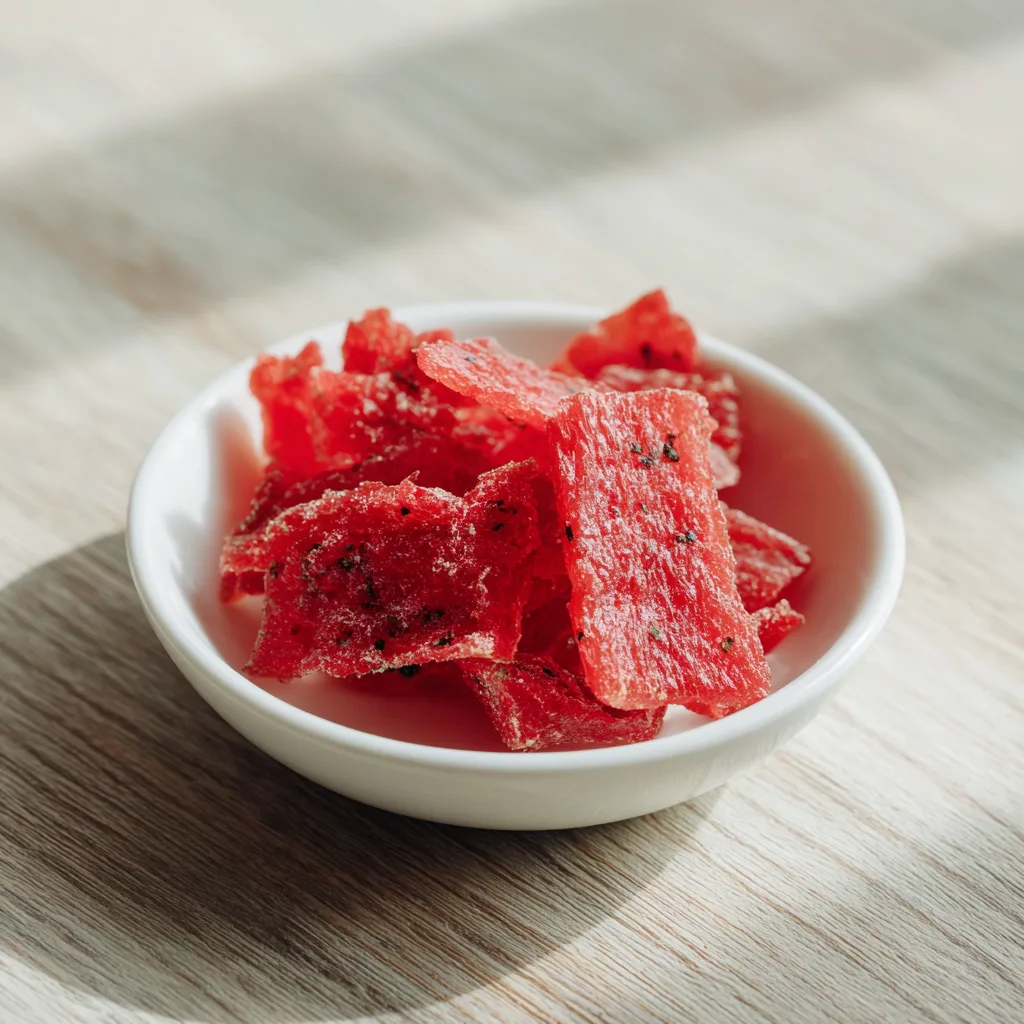
Dehydrated watermelon jerky can be served in several ways.
- As a quick training treat
- Chopped and added to dog food
- Used in enrichment toys
- Mixed with other dehydrated fruits
Because the pieces are chewy, they can keep dogs entertained for a short time while still being easy to digest.
Fun Variations
Once you master the basic recipe, you can experiment with other dog-safe fruits.
Mixed Fruit Jerky
Try combining watermelon with:
- Apples (seedless)
- Bananas
- Strawberries
- Blueberries
Frozen Watermelon Chews
Instead of dehydrating, freeze watermelon strips for a refreshing summer snack.
Fruit Jerky Medley
Dehydrate multiple fruits together to create a colorful treat mix for your dog.
Common Mistakes to Avoid
Cutting Slices Too Thick
Thick slices can remain wet inside and may spoil quickly.
Overlapping Pieces
This prevents proper airflow during dehydration.
Storing While Warm
Warm jerky can create condensation inside containers, leading to mold.
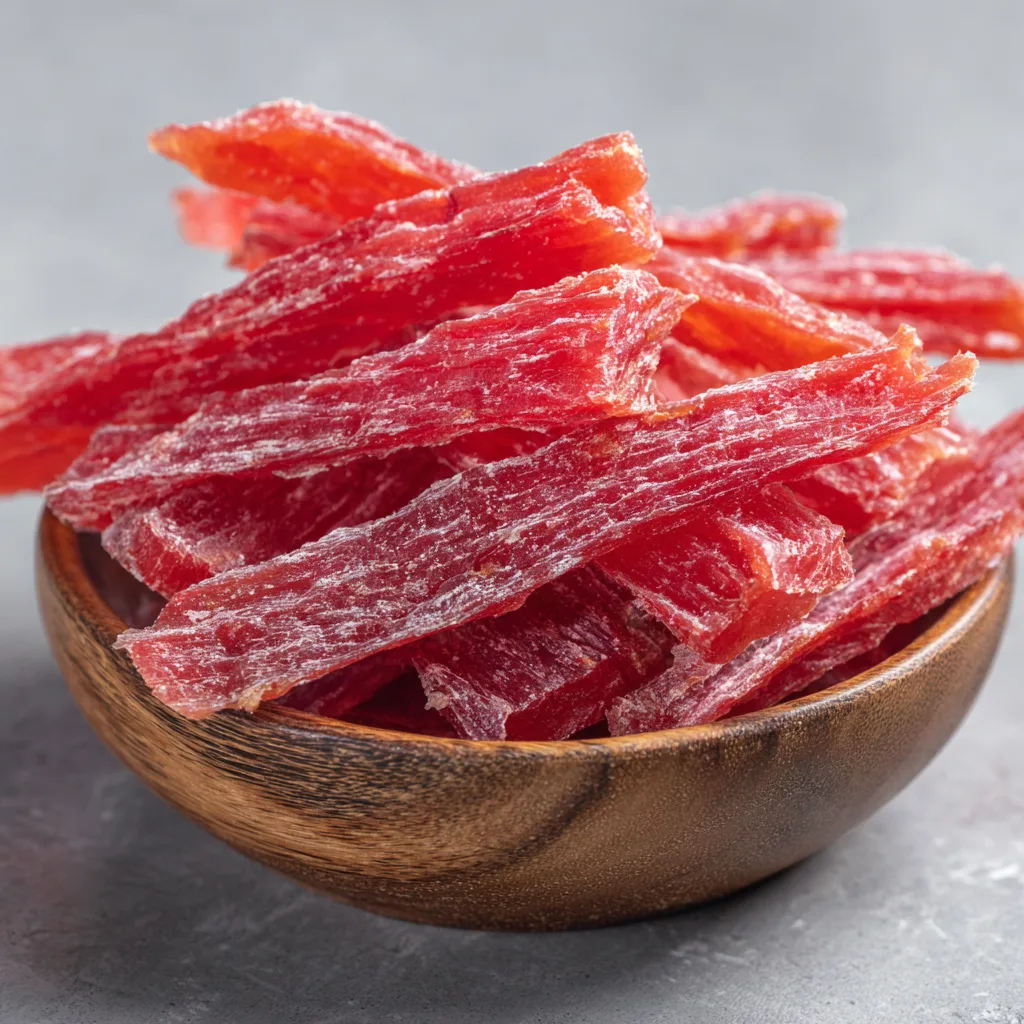
Dehydrated Watermelon Jerky for Dogs
A simple homemade dog treat made from dehydrated watermelon slices, naturally sweet, chewy, and perfect for healthy snacking.
Ingredients
Equipment
Method
- Wash the watermelon thoroughly and remove the rind completely.
- Remove any seeds if present to ensure the treat is safe for dogs.
- Slice the watermelon into thin strips about 1/4 inch thick.
- Pat slices dry with paper towels to remove excess moisture.
- Arrange slices in a single layer on dehydrator trays without overlapping.
- Dehydrate at 135°F (57°C) for 8–12 hours until chewy and leathery.
- Allow the jerky to cool completely before storing.
- Serve small pieces to your dog as an occasional treat.
Notes
Always remove watermelon seeds and rind before preparing dog treats. Store jerky in an airtight container in the refrigerator for up to one week or freeze for longer storage.